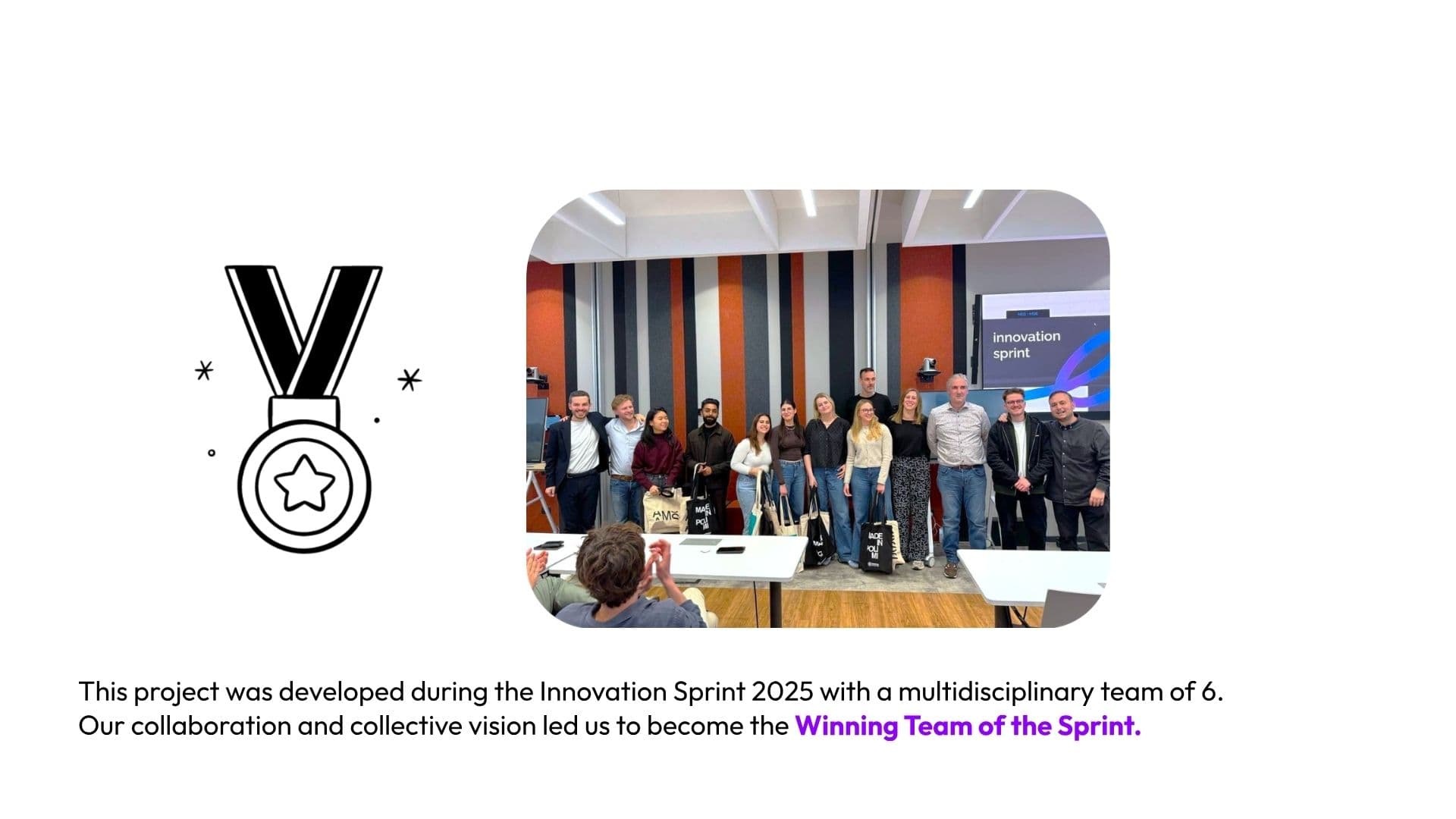
Design Thinking · AI Strategy · Innovation Sprint · 2025
3 weeks. 6 disciplines.
One brief. We won.
Context
AMS Antwerp Management School and Politecnico di Milano run a joint Innovation Sprint programme that pairs multidisciplinary student teams with real enterprise briefs. Three weeks. A real client. A competitive evaluation at the end.
Our team of six was assigned to a major European retailer facing a challenge that most large organisations recognise but few move fast enough to answer.
The Brief
Our Approach
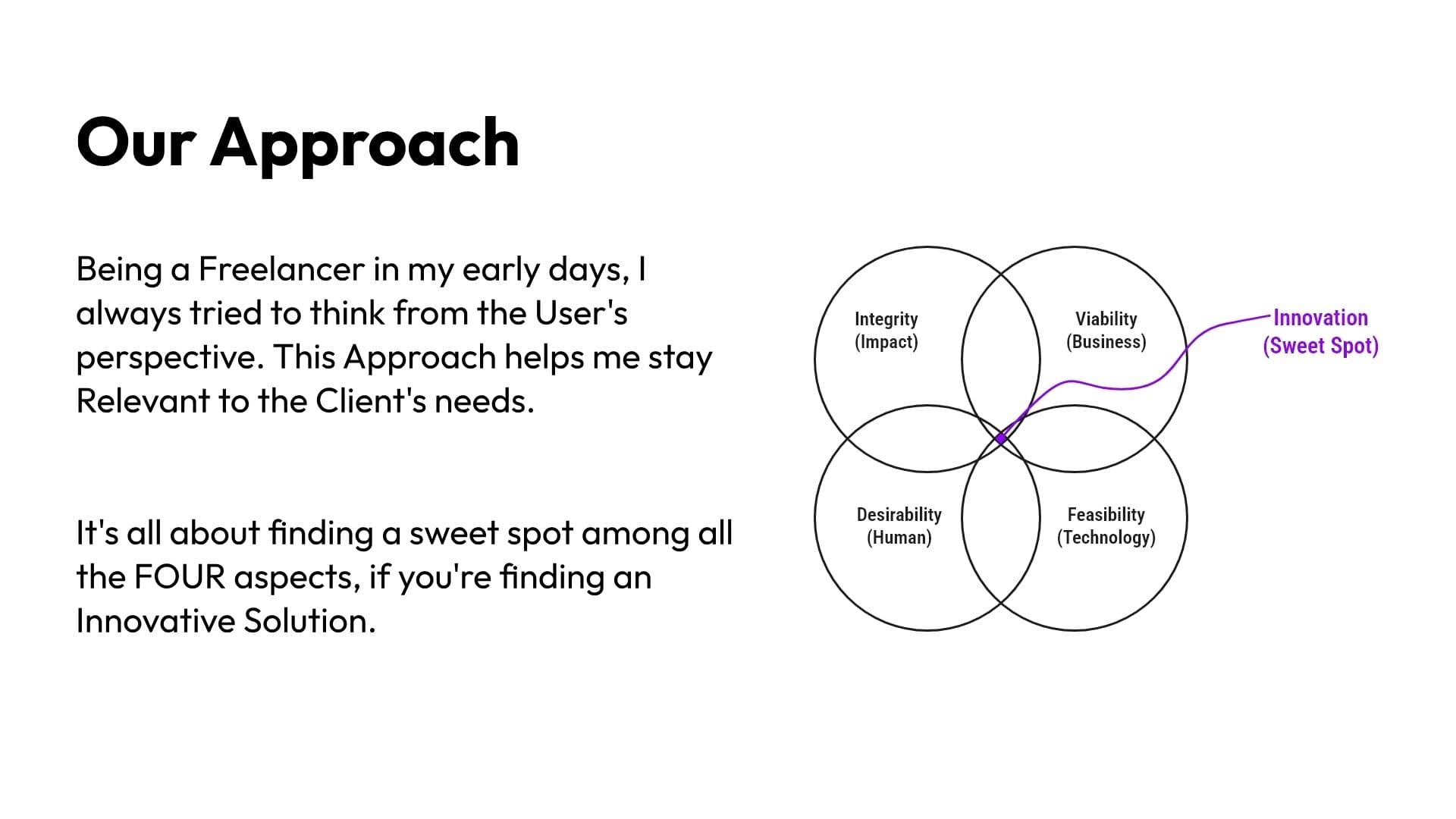
We anchored every decision in a four-circle innovation framework — finding the intersection of integrity, viability, desirability, and feasibility. Ideas that sit inside only one or two circles are incremental. We were looking for the one that sat at the centre of all four.
The Process
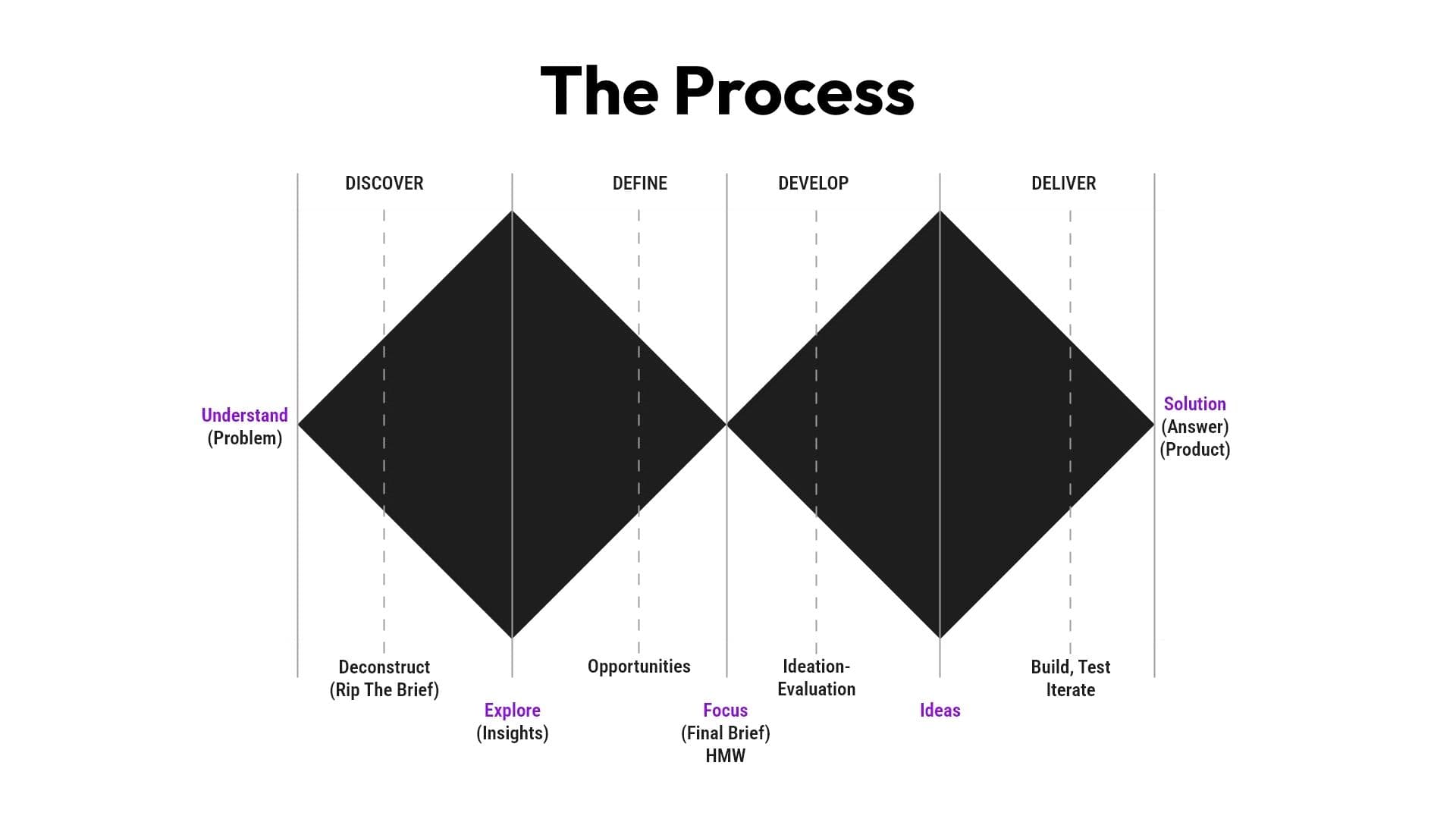
Discover — Understanding the Problem
Ran primary and secondary research across the client's product portfolio, service operations, competitive positioning, and target customer segments. Interviewed stakeholders. Mapped known and unknown territory. Reframed the brief from its original form into a sharper, more actionable challenge.
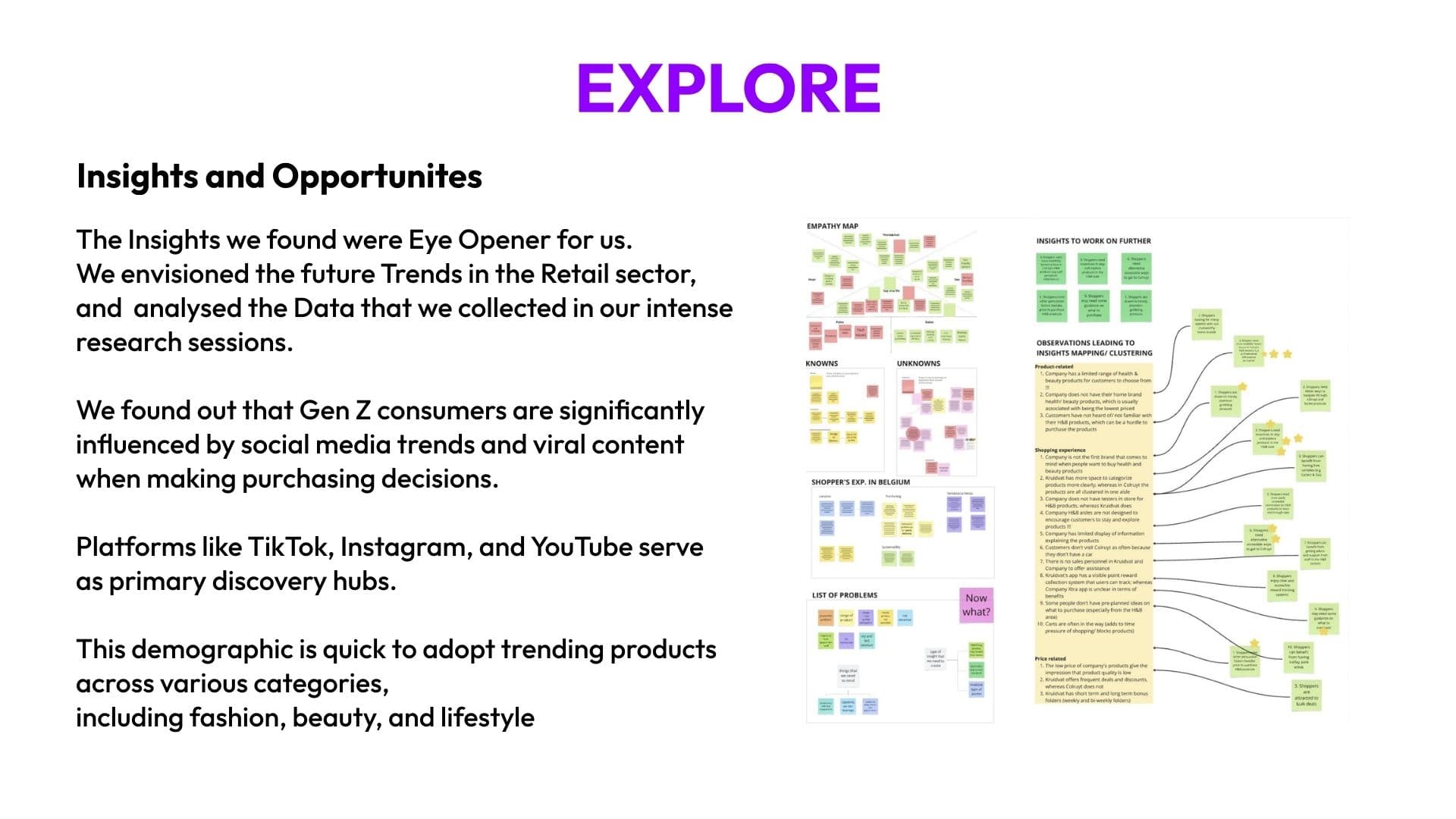
Explore — Insights and Opportunities
Built a full empathy map. Mapped the Belgian shopper experience against competitor benchmarks. Ran a future envision exercise across three horizons: Market, Society, and Technology. Key finding: the target segment overwhelmingly discovers products through social media before retail enters the picture.
Define — The HMW
From the insight clusters, we converged on a single How Might We question: how to attract Gen Z shoppers through exclusive, trend-driven products at lowest prices, delivered through an AI-enhanced, data-driven experience. Each insight was validated against behavioural and market data.
Develop — Personas, Ideation, Evaluation
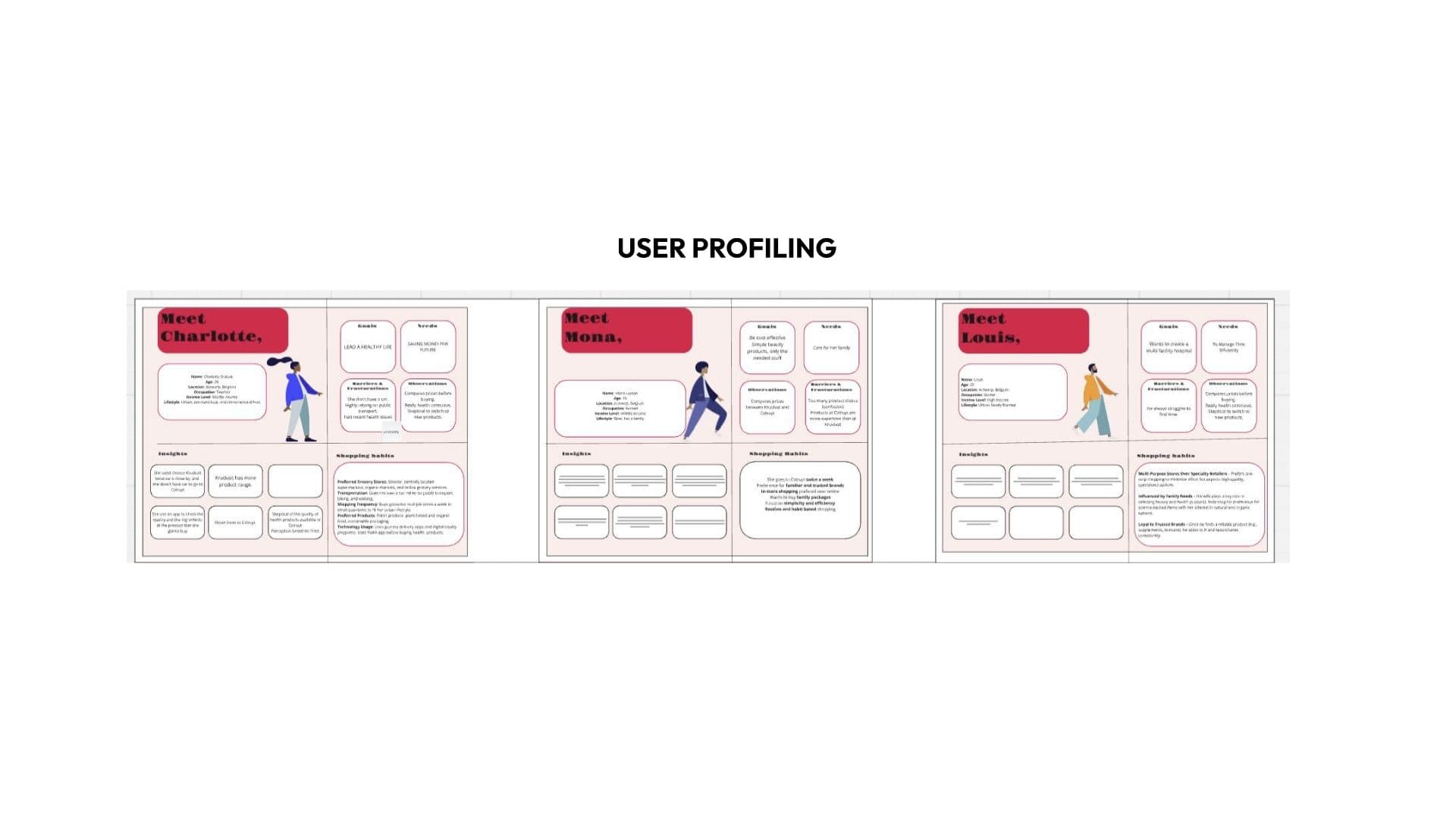
Built three research-grounded user personas — Charlotte, Mona, and Louis — each representing a distinct behavioural archetype within the target segment. Generated and scored multiple concepts across desirability, viability, and feasibility. Selected the highest-scoring concept and built it through to prototype.
Research Outputs
Three research-grounded personas — Charlotte, Mona, and Louis — each representing a distinct behavioural archetype within the target Gen Z segment. Every concept generated in ideation was evaluated against whether it actually served these people. From this, a single How Might We question that held the tension between commercial viability, technological feasibility, and genuine human desirability.
How Might We
“How might we attract Gen Z shoppers by offering exclusive, trend-driven products at lowest prices, delivered through an AI-enhanced, data-driven experience?”
Result
The solution was an AI-powered concept to help the retailer identify and act on emerging consumer trends before competitors. It addressed the full chain from signal detection to in-store execution. The product is currently in active development within the client organisation — details are under NDA.
“This sprint taught me the power of structured collaboration — navigating challenges alongside a multidisciplinary team helped sharpen my ability to co-create under pressure. I learned to merge strategic design thinking with data-driven decision-making, especially when aligning creative ideas with business viability.”