Design Thinking · AI Strategy · Human-Centred Design · May 2025
Can AI make us better
at talking to each other?
The Brief
Deutsche Telekom brought a question to Politecnico di Milano’s Strategic Design programme: how can AI help us become better at human communication?
Not: how can AI communicate for us. Not: how can AI replace human interaction. The specific, harder question was whether AI could function as an enabler — something that makes the human-to-human connection stronger, not something that sits between people and weakens it. This distinction shaped every decision we made.
Research
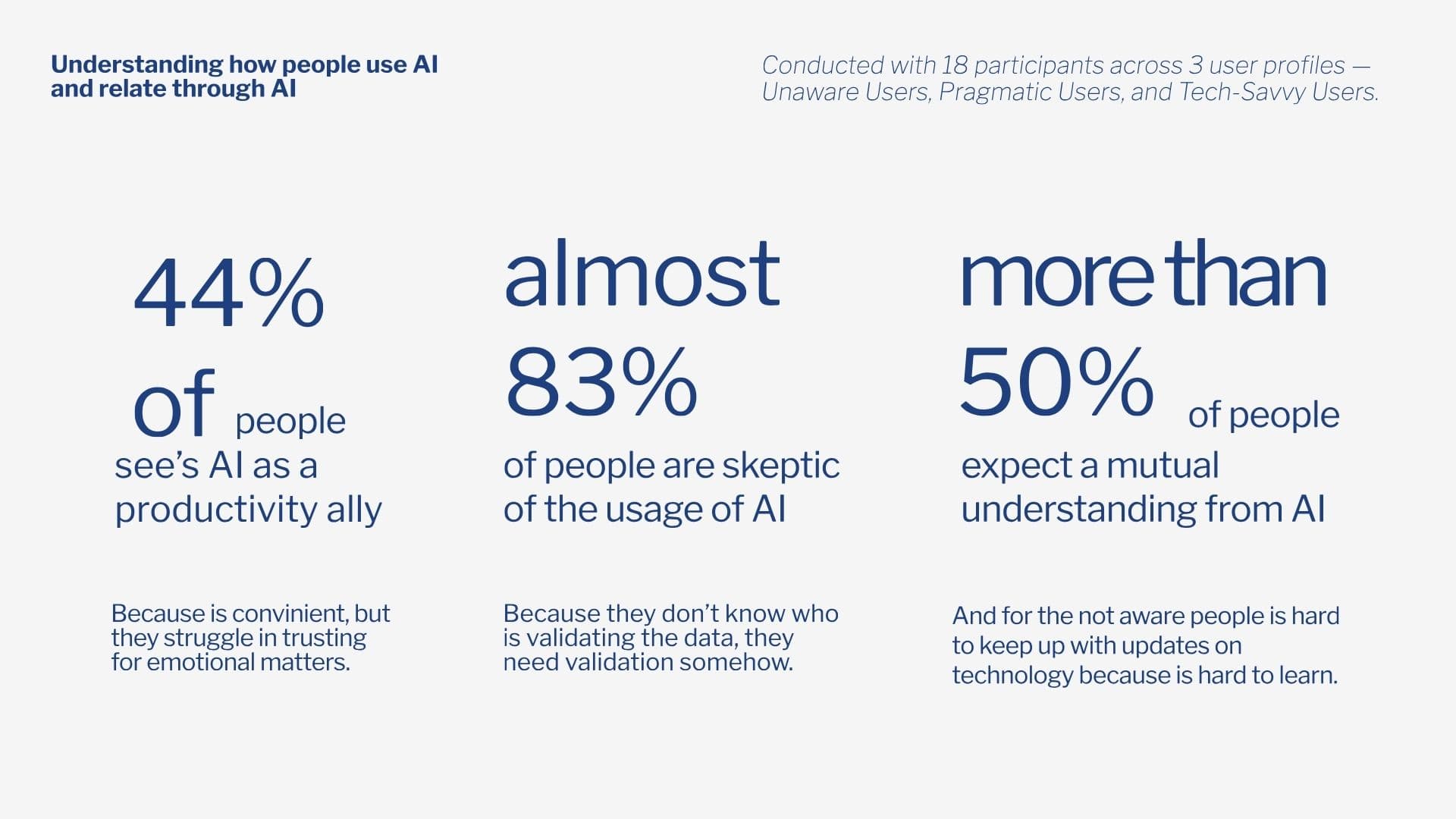
Primary research with 18 participants across three user profiles — unaware, pragmatic, and tech-savvy. The central tension: people increasingly trust AI emotionally, but they are aware this trust is asymmetric. AI never forgets. It is always available. That is not human. The question was whether design could make AI genuinely useful to human relationships without pretending to be something it is not.
The Insight
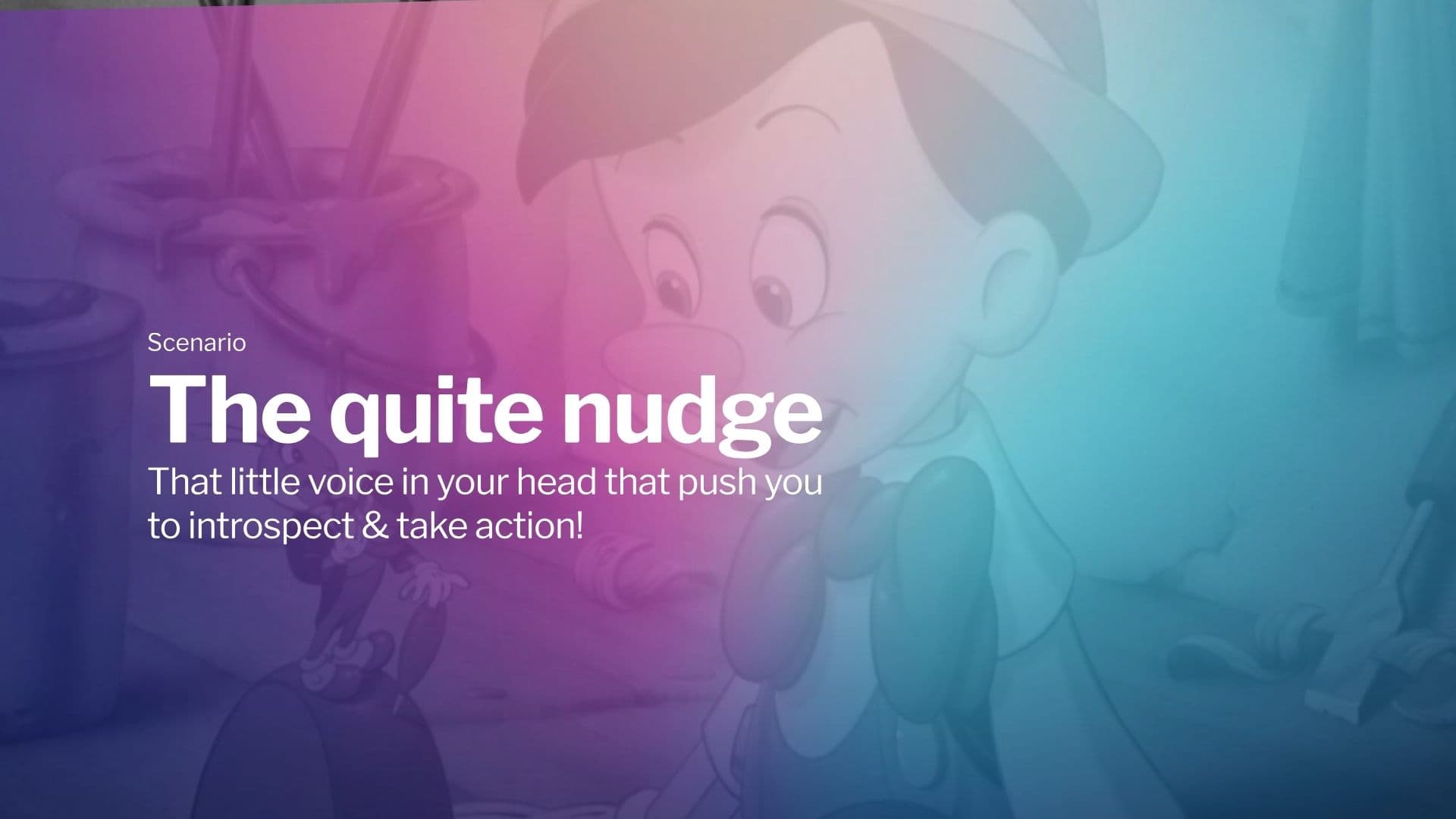
“The quiet nudge” — that little voice in your head that pushes you to introspect and take action. Not a replacement for human connection. Not a therapist. Not a companion. A subtle, smart nudge that helps people communicate more effectively with the humans already in their lives. This became the design direction for the entire concept.
Strategic Framework
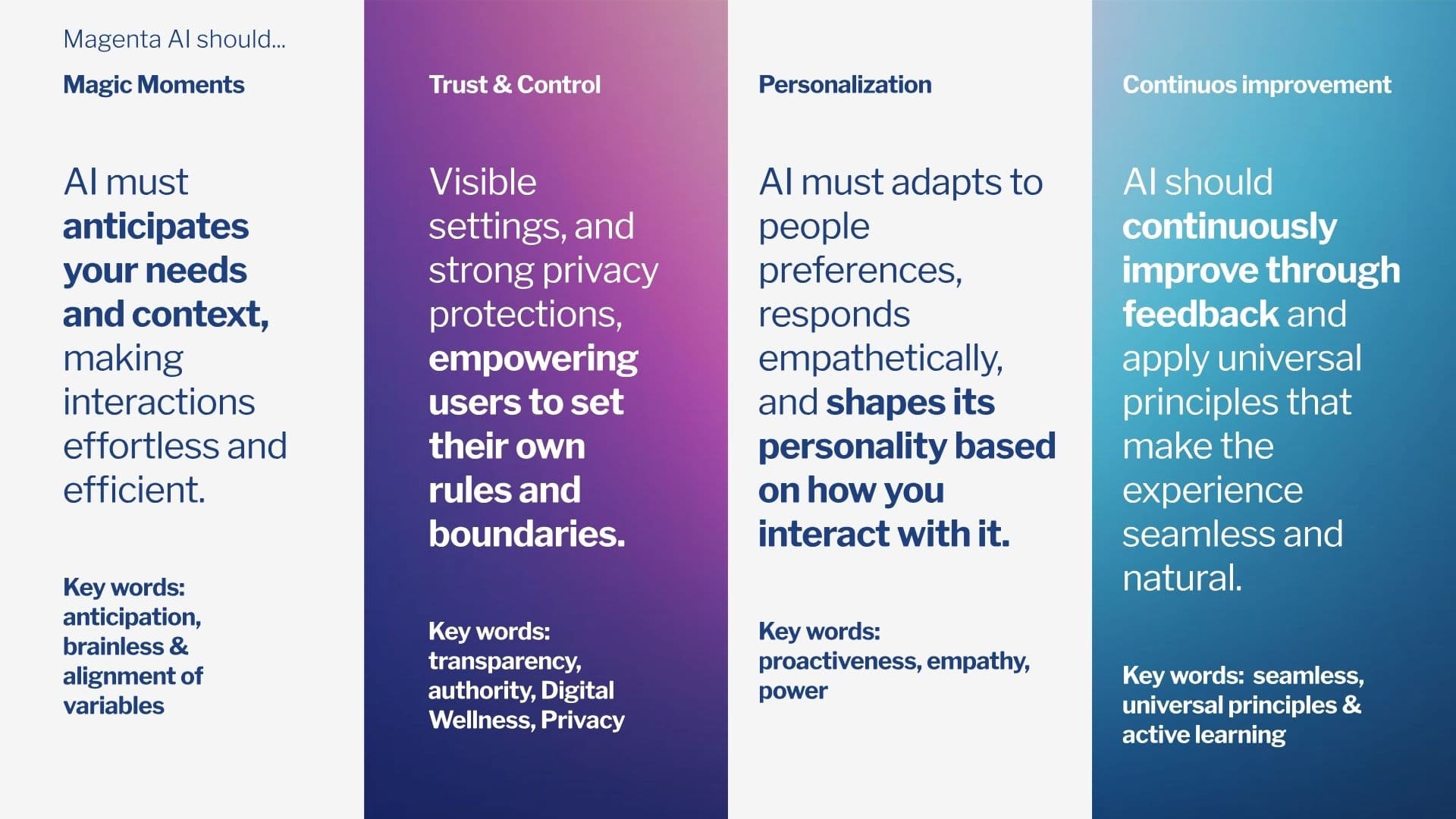
Four attributes Magenta AI must deliver: Magic Moments (anticipates needs, interactions feel effortless), Trust & Control (visible settings, privacy, user-set rules), Personalisation (adapts, responds empathetically, shapes personality through use), and Continuous Improvement (learns from feedback, applies universal principles that feel natural).
Three Service Scenarios
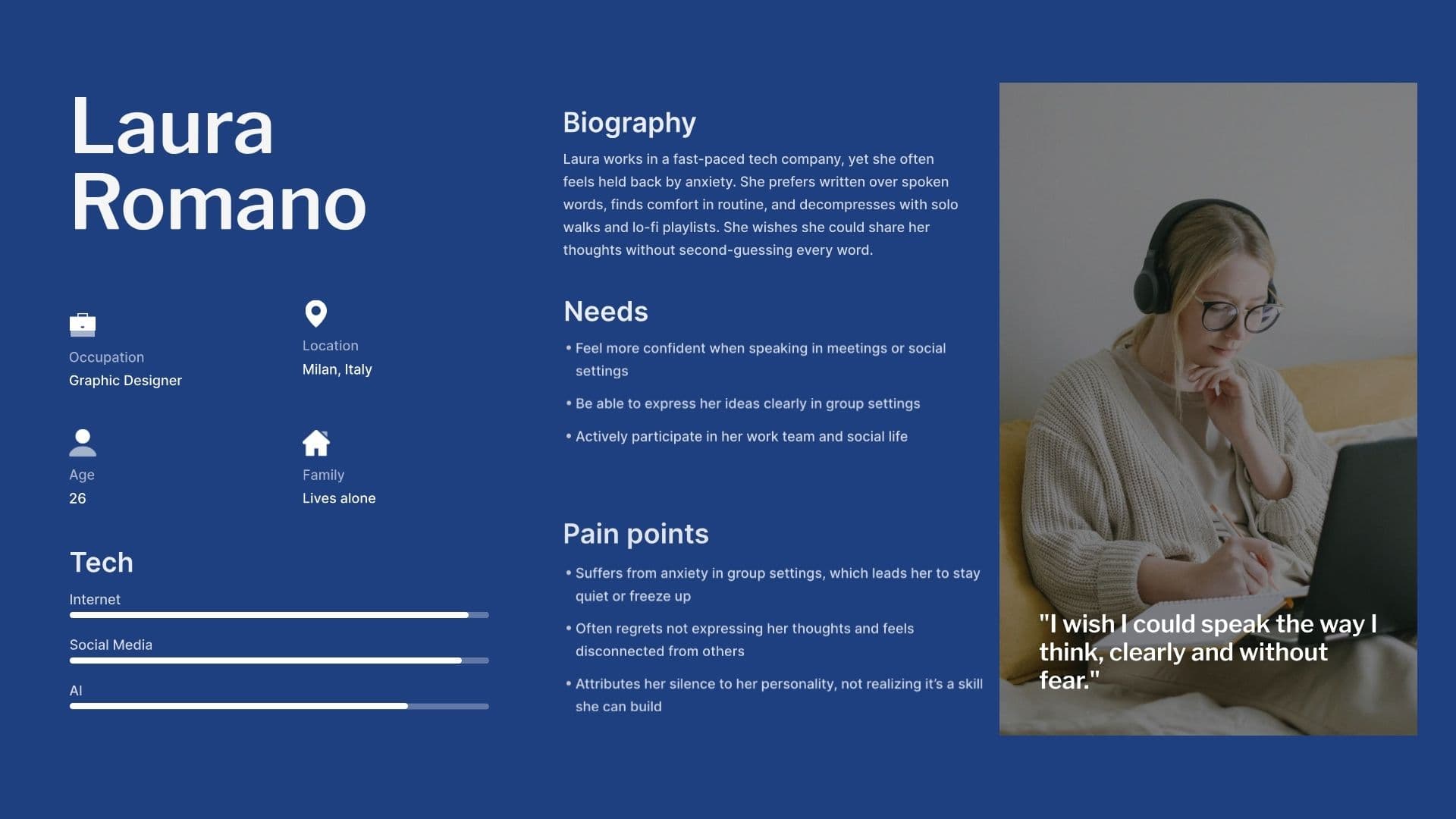
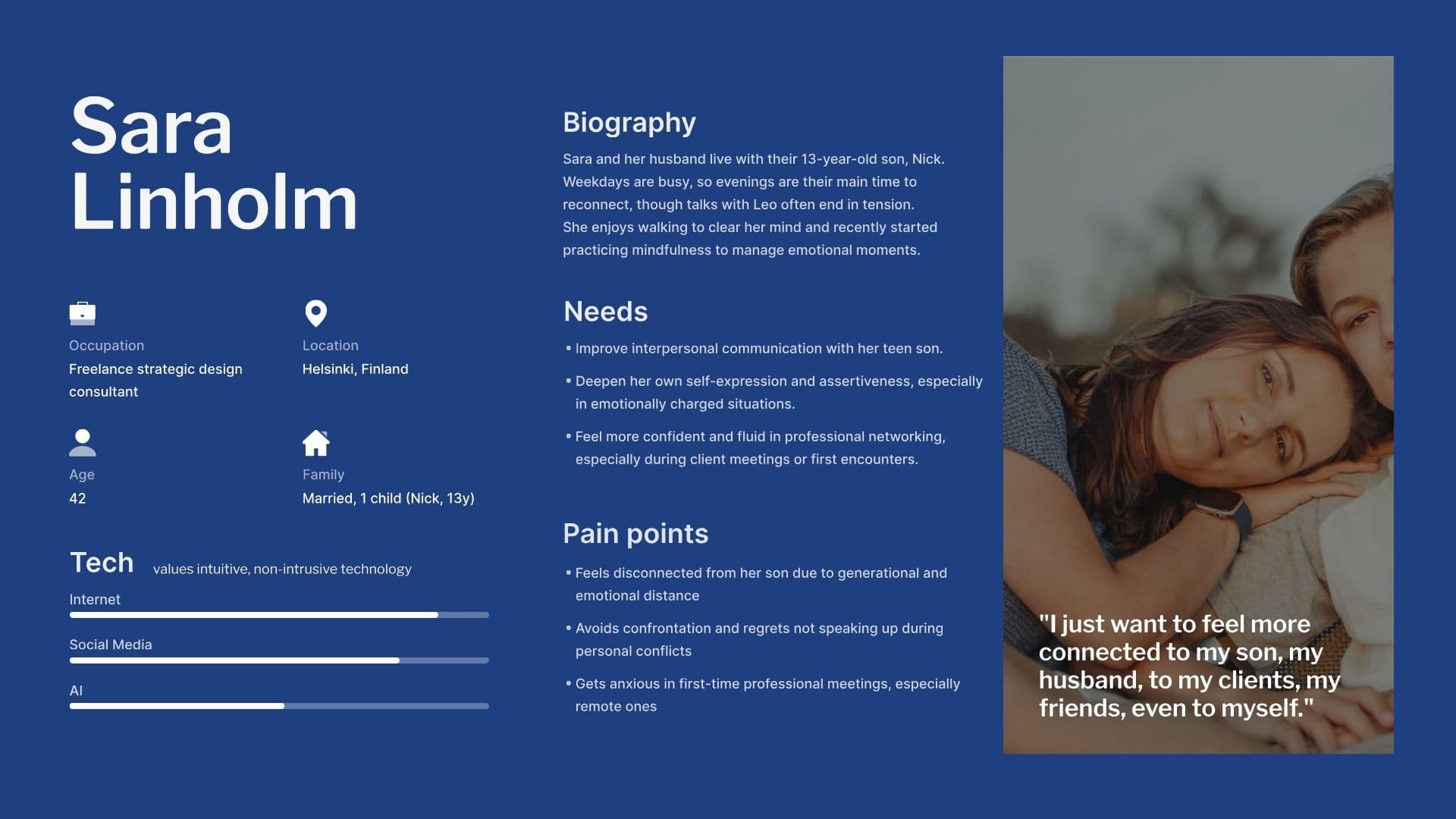
Three scenarios mapped to three dimensions of human relationship — self, people we know, and people we don’t know. Laura: a communication coach for those who freeze in group settings. Sara: an emotional translator for family tensions. Steven: a context-aware co-assistant for navigating new professional relationships.
Ecosystem Map
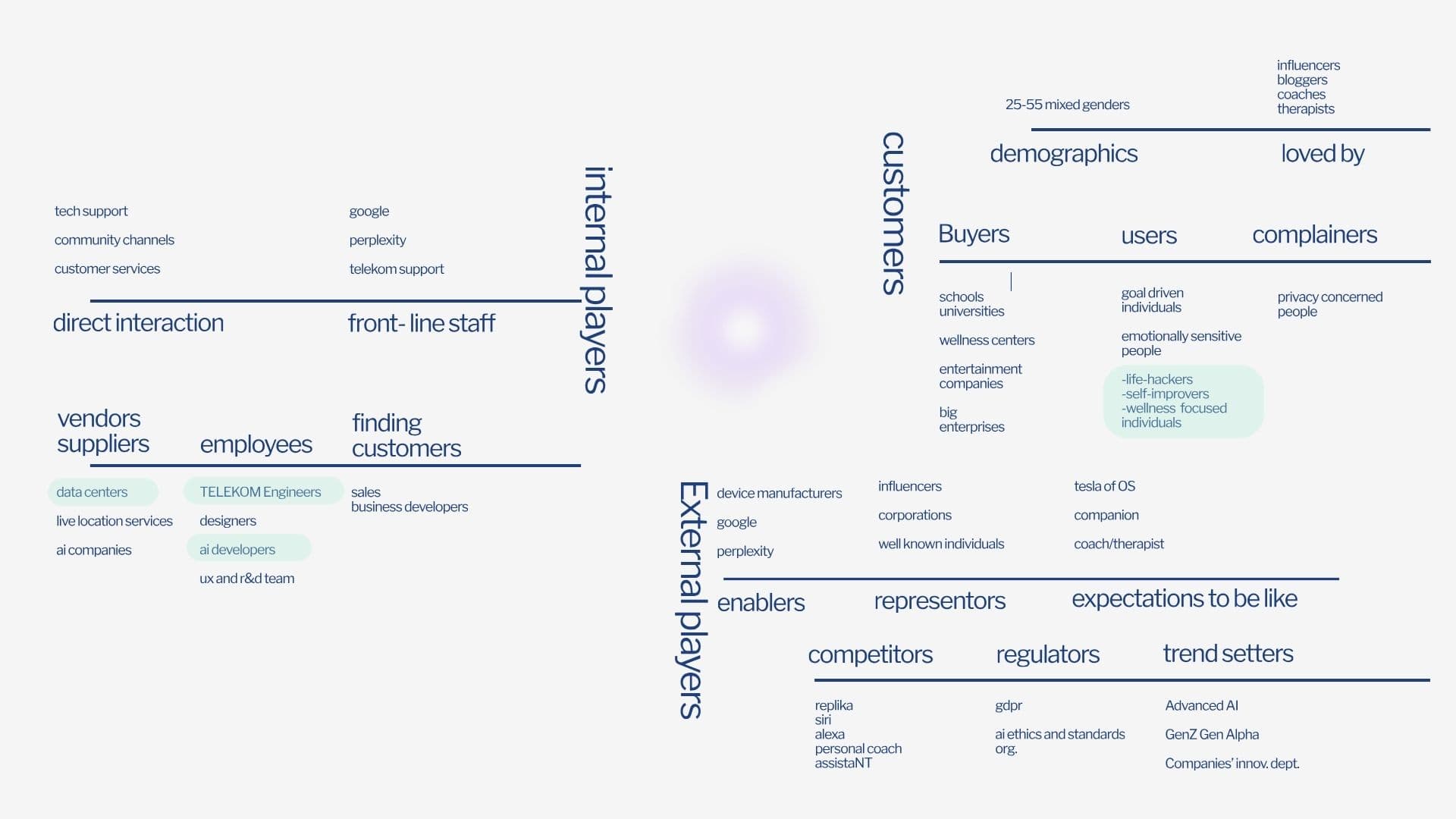
Full stakeholder landscape mapped: internal players (employees, AI developers, UX team), customers (schools, wellness centres, enterprises), external enablers, competitors (Replika, Siri, Alexa), regulators (GDPR, AI ethics), and trend setters. The map defines where Telekom’s strategic positioning sits within an already-crowded AI companion space.
Key Output
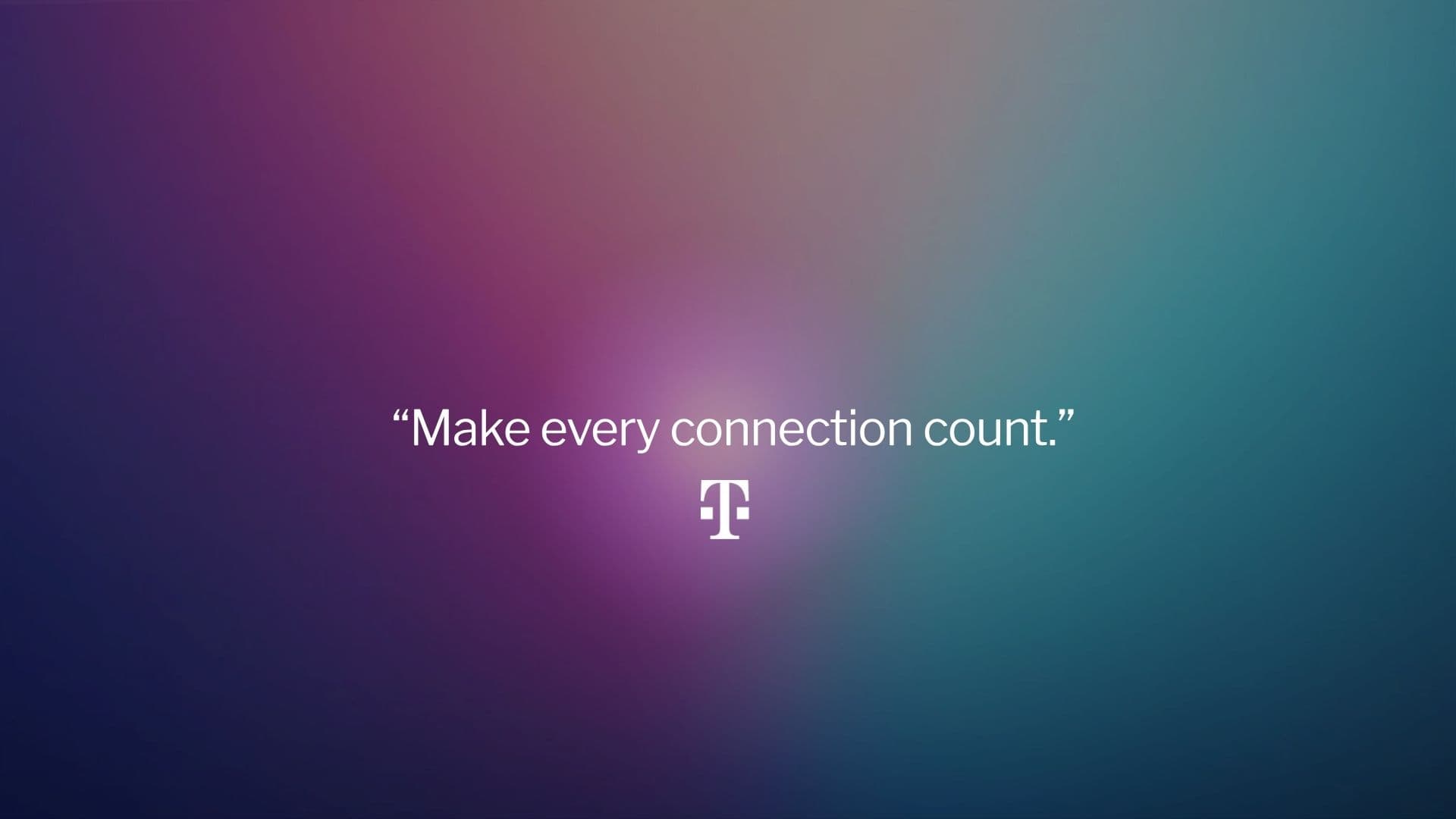
Five strategic positioning moves delivered to Deutsche Telekom: lead in emotionally intelligent technology, embed AI-driven EQ across all devices, make privacy and consent non-negotiable, build partnerships in health, education, and wellness, and own an Ethical AI Framework. The tagline: “Make every connection count.”
“The question wasn’t how to make AI more human. It was how to make AI genuinely useful to the humans already in your life.”